Column · @connerfqmg246
Just How Assisted Living Can Enhance Safety, Comfort, and Quality of Life
Business Name: BeeHive Homes of Albuquerque West
Address: 6000 Whiteman Dr NW, Albuquerque, NM 87120
Phone: (505) 302-1919
BeeHive Homes of Albuquerque West
At BeeHive Homes of Albuquerque West, New Mexico, we provide exceptional assisted living in a warm, home-like environment. Residents enjoy private, spacious rooms with ADA-approved bathrooms, delicious home-cooked meals served three times daily, and the benefits of a small, close-knit community. Our compassionate staff offers personalized care and assistance with daily activities, always prioritizing dignity and well-being. With engaging activities that promote health and happiness, BeeHive Homes creates a place where residents truly feel at home. Schedule a tour today and experience the difference.
6000 Whiteman Dr NW, Albuquerque, NM 87120
Business Hours
Choosing the ideal level of assistance for an older adult is hardly ever a tidy, basic choice. Households generally reach the concern after a few warning signs: a missed out on drug, a loss in the kitchen, a failed to remember bill, a fridge full of expired food, or the anxious sensation that a person who utilized to be consistent is currently taking dangers just to get through the day. Those minutes can really feel small alone. Taken with each other, they frequently indicate a bigger reality. Living alone may no longer be the best or most comfy option.
That is where assisted living usually goes into the conversation. For many older adults, it uses a useful happy medium between living individually and moving right into a nursing facility. It gives assistance where it is required, while protecting as much autonomy as possible. The toughest assisted living areas recognize that older grownups are not wanting to surrender their regimens or their identification. They are trying to find support that makes normal life less complicated, safer, and more manageable.
An excellent area can change the rhythm of life in ways that are very easy to ignore until they are experienced firsthand. The right atmosphere minimizes anxiety. It eliminates friction from daily tasks. It makes it less complicated for people to move around, consume well, stay linked, and obtain assistance before a small issue ends up being a crisis. That combination has actual value, specifically for family members looking for senior care near me and attempting to contrast options without losing sight of what issues most.
Safety is not only about emergencies
When individuals listen to words safety, they usually consider the remarkable moments, an autumn, a sudden disease, or an immediate trip to the medical facility. Those are necessary, of course, but in assisted living the everyday safeguards matter just as much. A well-run neighborhood develops layers of security into average life.
One of one of the most evident benefits is the reduction of environmental hazards. Exclusive homes, specifically older houses, can come to be hard to browse in time. Stairways, loosened rugs, poor lights, narrow washrooms, and cluttered corridors all boost threat. Assisted living neighborhoods are normally developed with these issues in mind. Corridors are wider. Shower rooms are less complicated to access. Grab bars, hand rails, and emergency situation telephone call systems are a lot more typical. Even information such as non-slip floor covering and brighter illumination can make a significant distinction for a person with limited balance or decreasing vision.
Supervision is one more significant element. Numerous older grownups do not require consistent clinical oversight, yet they do benefit from the knowledge that somebody neighbors. If a resident does not appear for a meal, staff can sign in. If someone seems perplexed or abnormally exhausted, that adjustment can be kept in mind early. These small interventions typically stop larger troubles. I have seen households eased not due to the fact that their loved one was suddenly problem-free, but because there was finally a system in place to observe what they might no longer check from a distance.
Medication monitoring is entitled to unique interest. Missed dosages and unintended double dosing are among one of the most usual and most underappreciated threats in senior care. An older adult who takes care of multiple prescriptions might be dealing with various timetables, replenish timing, and negative effects. In assisted living, personnel can aid make sure medicines are taken correctly and promptly. That support does more than improve adherence. It decreases the probabilities of avoidable problems that can cause complication, lightheadedness, dehydration, or an avoidable medical facility visit.
There is also a quieter but really actual safety advantage in the social structure of assisted living. Seclusion can make emergencies much more unsafe because nobody notifications the indications early. A resident that takes out, misses meals, or becomes unsteady may be indicating a trouble long before a member of the family finds out about it. In a connected area, those signals are more probable to surface quickly.
Comfort is constructed from a hundred small details
Comfort in senior living is not practically soft furniture or positive design, though those aid. It originates from a day-to-day experience that feels predictable, manageable, and respectful. That is one factor many family members begin exploring assisted living after a stretch of disappointment at home. They are not necessarily going after luxury. They are chasing ease.
At home, the day can end up being a lengthy chain of jobs. Food preparation, cleaning, laundry, showering, and transportation all pile up. For an older grownup, that can develop into a consistent drain on energy. Also when the person is established to remain independent, the initiative required can crowd out the parts of life that made use of to bring pleasure. Assisted living gets rid of a portion of that problem. Dishes are prepared. House cleaning is managed. Laundry support might be readily available. Transport to appointments or trips is frequently organized. That change gives residents back a few of their interest and stamina.
The distinction can be remarkably psychological. Lots of people presume convenience indicates being spoiled, but for older adults it often suggests not needing to negotiate every task through fatigue or worry. A resident that no more has to climb a basement staircase to do washing may rest much better. Somebody that does not require to worry about cooking a full dinner every evening may consume a lot more continually. An individual that is relieved from the pressure of keeping a house might find time for reading, discussion, or a stroll outside.
Comfort additionally depends upon pacing. Good assisted living does not hurry people via the day. It allows regimens to settle. Locals can awaken at a sensible hour, pick their dishes, participate in activities if they desire, and spend time alone when they need peaceful. That balance issues. Older grownups do not wish to really feel taken care of like clients all day. They intend to feel like themselves. The best communities respect that distinction.
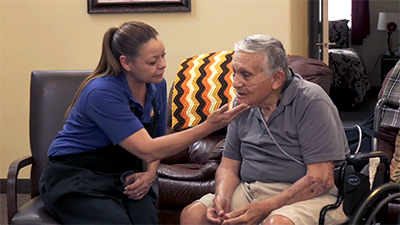
The emotional comfort of minimized household stress is easy to take too lightly too. Adult youngsters usually end up being caretakers before they understand they are doing it. They sign in constantly, run errands, worry about nutrition, and attempt to keep up with appointments. That can stress also close family members. Assisted living can recover a few of the partnership by changing the useful burden to skilled personnel. Visits end up being less regarding situation administration and more concerning actual connection.
Quality of life commonly boosts when tension goes down
Safety and convenience are important by themselves, however the deeper concern is whether a person's quality of life boosts. In a lot of cases, the response is yes, and the factor is straightforward. When people spend much less energy handling standard survival, they have more energy left for living.
Quality of life in later years is not an abstract principle. It appears in small, noticeable methods. A resident that joins a book club due to the fact that it is convenient may begin speaking with next-door neighbors over coffee. Someone who had actually quit preparing for themselves may consume routine meals once again and reclaim a little strength. A person who was significantly withdrawn at home might start attending songs programs, art sessions, or team workout classes simply due to the fact that the obstacle to participation is lower.
That social measurement matters more than lots of families anticipate. Loneliness is not simply unpleasant, it can end up being harsh. It can make individuals less motivated, less energetic, and most likely to let their health and wellness slide. Assisted living develops chances for casual call that are tough to reproduce in the house. A corridor conversation, a shared meal, or a spontaneous group activity can be sufficient to offer the day shape.
There is additionally a vital dignity variable. When older grownups deal with jobs that used to be very easy, they often conceal the difficulty from family members. They may miss bathrooms, use the very same clothing repeatedly, or consume far much less than they should because requesting help seems like defeat. Assisted living can reduce that covert struggle. Help is integrated in, which indicates citizens do not need to work out every requirement as a personal failure.
That change can be particularly purposeful for individuals recuperating from illness, surgical procedure, or an autumn. Throughout recovery, a home atmosphere might appear acquainted but still be impractical. An individual may not be ready to live completely individually, however may not need hospital-level care either. Assisted living can act as a steady bridge throughout that duration. Sometimes, respite care fills the void momentarily, offering both the resident and family a chance to see what level of support is absolutely required prior to making a longer-term decision.
The best fit depends on what type of support is needed
Assisted living is not the same point for everyone, which is worth specifying plainly. Some homeowners require aid with showering and clothing however continue to be socially active and emotionally involved. Others are relatively independent literally but gain from meal assistance, drug suggestions, or a much safer setting. Some areas serve individuals with light memory adjustments, while others are much better matched to citizens that do not require specialized dementia care.
That variant is why households must look beyond the label. An area that seems superb on paper might not fit the real person that will live there. The structure can be attractive, and the marketing might be brightened, but the everyday experience matters more than appearance. Just how does staff connect with citizens? Are phone call lights responded to promptly? Do residents appear loosened up or hurried? Are dishes appealing and suited to different diets? Are there sufficient activities to make the atmosphere feel alive rather than institutional?
In my experience, one of the most helpful questions households ask is whether the area appears to sustain independence or quietly erode it. A solid assisted living setting urges residents to do what they can while stepping in only where required. That equilibrium secures self-confidence. If every little thing is provided for someone, they can shed motivation. If absolutely nothing is done for them, they become overwhelmed. The ideal facility holds the middle.
Families often search for assisted living near me when a sudden occasion compels the concern, however distance needs to be only one variable. Nearby is useful, particularly for routine visits and ongoing oversight. Still, the ideal fit needs to also take into assisted living near me consideration staffing, routines, cleanliness, dish quality, activity choices, and just how the community deals with changing care needs over time.
Families really feel the distinction too
The advantages of assisted living do not stop with the resident. Relative usually define a kind of mental release once they understand their loved one remains in a much safer location with constant assistance. That does not eliminate worry, and it should not. Yet it can change consistent caution with an extra lasting kind of care.
Many family members invest months, often years, in a cycle of fear. They hire the morning to see to it somebody took medications. They visit after job to check the refrigerator. They try to keep track of weight-loss, lapse of memory, bruises, or a stack of unpaid bills. That level of oversight is laborious, particularly when siblings disagree or reside in different cities. Assisted living does not remove household responsibility, yet it does redistribute the load.
It can also improve family members visits. Instead of making use of the entire visit to fold up washing, organize prescriptions, and troubleshoot safety issues, relatives can sit down for conversation. That changes the psychological structure of the relationship. Adult kids often discover their parent in a fuller method, not equally as a person they oversee. Grandchildren might feel more kicked back. The resident may feel less protective. In most cases, the home becomes a location for connection once more, as opposed to a website of chores and conflict.
There are harder facts too. Occasionally the person moving into assisted living is grieving. They might feel they have actually shed your house they built, the next-door neighbors they understood, or the self-reliance they safeguarded. Those sensations should have regard. Rushing past them generally backfires. What assists much more is sincerity. The move is not concerning failure, it has to do with matching assistance to truth. That is a difficult change, but typically a needed one.
A functional take a look at life inside a community
The concept of assisted living can feel abstract until you visualize a normal day. A resident might awaken, shower with assistance if needed, and head to morning meal without bothering with food preparation. There might be an early morning workout class, a devotional group, or a visit from a physiotherapist. Lunchtime could bring lunch with next-door neighbors, time for reading, or a scheduled visit with transport organized by team. In the afternoon, there may be a social activity, a nap, or a peaceful telephone call with family. Supper is prepared, and later on there might be tv, card video games, or an evening walk in a safe and secure courtyard.
That everyday rhythm is not phenomenal. That is the factor. Security is effective. For a person that has spent months really feeling isolated or overwhelmed, common predictability can feel like relief.
Of training course, not every resident thrives in the exact same setting. Some individuals enjoy group meals and arranged activities. Others want more personal privacy and fewer scheduled events. Some communities have a dynamic, social power that fits outgoing residents well, while others are quieter and much better for those that choose reduced stimulation. Choosing well indicates recognizing character along with care needs. The wrong setting can feel aggravating also if the services are technically adequate.
This is where touring numerous neighborhoods aids. A single visit hardly ever tells the whole tale, yet patterns arise if you pay attention. Are locals engaged, or simply resting? Does personnel speak with warmth, or with practiced rate? Does the place feel tidy without feeling clean and sterile? You can discover a whole lot from the tone of a dining-room at lunch.
When assisted living is the ideal move
There is hardly ever an excellent minute to move. Usually there is only a factor when staying has become riskier than altering course. That limit looks various in every family members. Often it follows repeated falls. In some cases it follows a hospital discharge, when the person is too weak to handle alone. Occasionally the problem is memory, and sometimes it is simply that day-to-day life has actually become harder than it must be.
A move into assisted living is often the ideal step when freedom is still essential, yet home is no more functioning securely. It can additionally be the best action when families are stretched thin and no longer able to provide the level of assistance called for. In those cases, the inquiry is not whether an older adult is entitled to assistance. The question is what kind of help will certainly protect the most life, one of the most self-respect, and the most stability.
The shift may require time. Sorting belongings, selecting furnishings, and getting used to a brand-new regimen are psychologically loaded tasks. But once resolved, numerous residents experience a marked improvement in daily performance. They eat much better. They drop much less frequently. They have less complicated access to help. They see more individuals. They invest less time bothering with what could go wrong.
That does not imply assisted living is the answer for everyone. Some older grownups stay safely independent with home support, family members help, or home wellness solutions. Others need a greater degree of medical care than assisted living can give. The task is not to require the label. It is to match the setting to the individual honestly.
When that match is right, the change can be profound. Safety enhances due to the fact that dangers are checked and lowered. Comfort boosts because everyday worries are lightened. Lifestyle boosts since the individual has even more space to appreciate the day rather than managing it. For family members contrasting senior living choices, that combination is commonly what makes assisted living more than simply a real estate choice. It becomes a functional means to sustain a far better life.
BeeHive Homes of Albuquerque West provides assisted living care
BeeHive Homes of Albuquerque West provides memory care services
BeeHive Homes of Albuquerque West provides respite care services
BeeHive Homes of Albuquerque West offers support from professional caregivers
BeeHive Homes of Albuquerque West offers private bedrooms with private bathrooms
BeeHive Homes of Albuquerque West provides medication monitoring and documentation
BeeHive Homes of Albuquerque West serves dietitian-approved meals
BeeHive Homes of Albuquerque West provides housekeeping services
BeeHive Homes of Albuquerque West provides laundry services
BeeHive Homes of Albuquerque West offers community dining and social engagement activities
BeeHive Homes of Albuquerque West features life enrichment activities
BeeHive Homes of Albuquerque West supports personal care assistance during meals and daily routines
BeeHive Homes of Albuquerque West promotes frequent physical and mental exercise opportunities
BeeHive Homes of Albuquerque West provides a home-like residential environment
BeeHive Homes of Albuquerque West creates customized care plans as residents’ needs change
BeeHive Homes of Albuquerque West assesses individual resident care needs
BeeHive Homes of Albuquerque West accepts private pay and long-term care insurance
BeeHive Homes of Albuquerque West assists qualified veterans with Aid and Attendance benefits
BeeHive Homes of Albuquerque West encourages meaningful resident-to-staff relationships
BeeHive Homes of Albuquerque West delivers compassionate, attentive senior care focused on dignity and comfort
BeeHive Homes of Albuquerque West has a phone number of (505) 302-1919
BeeHive Homes of Albuquerque West has an address of 6000 Whiteman Dr NW, Albuquerque, NM 87120
BeeHive Homes of Albuquerque West has a website https://beehivehomes.com/locations/albuquerque-west/
BeeHive Homes of Albuquerque West has Google Maps listing https://maps.app.goo.gl/R1bEL8jYMtgheUH96
BeeHive Homes of Albuquerque West has Facebook page https://www.facebook.com/BeehiveABQW/
BeeHive Homes of Albuquerque West won Top Assisted Living Homes 2025
BeeHive Homes of Albuquerque West earned Best Customer Service Award 2024
BeeHive Homes of Albuquerque West placed 1st for Senior Living Communities 2025
People Also Ask about BeeHive Homes of Albuquerque West
What is BeeHive Homes of Albuquerque West monthly room rate?
Our base rate is $6,900 per month, but the rate each resident pays depends on the level of care that is needed. We do an initial evaluation for each potential resident to determine the level of care needed. The monthly rate is based on this evaluation. We also charge a one-time community fee of $2,000.
Can residents stay in BeeHive Homes of Albuquerque West until the end of their life?
Usually yes. There are exceptions, such as when there are safety issues with the resident, or they need 24 hour skilled nursing services.
Does Medicare or Medicaid pay for a stay at Bee Hive Homes?
Medicare pays for hospital and nursing home stays, but does not pay for assisted living as a covered benefit. Some assisted living facilities are Medicaid providers but we are not. We do accept private pay, long-term care insurance, and we can assist qualified Veterans with approval for the Aid and Attendance program.
Do we have a nurse on staff?
We do have a nurse on contract who is available as a resource to our staff but our residents' needs do not require a nurse on-site. We always have trained caregivers in the home and awake around the clock.
Do we allow pets at Bee Hive?
Yes, we allow small pets as long as the resident is able to care for them. State regulations require that we have evidence of current immunizations for any required shots.
Do we have a pharmacy that fills prescriptions?
We do have a relationship with an excellent pharmacy that is able to deliver to us and packages most medications in punch-cards, which improves storage and safety. We can work with any pharmacy you choose but do highly recommend our institutional pharmacy partner.
Do we offer medication administration?
Our caregivers are trained in assisting with medication administration. They assist the residents in getting the right medications at the right times, and we store all medications securely. In some situations we can assist a diabetic resident to self-administer insulin injections. We also have the services of a pharmacist for regular medication reviews to ensure our residents are getting the most appropriate medications for their needs.
Where is BeeHive Homes of Albuquerque West located?
BeeHive Homes of Albuquerque West is conveniently located at 6000 Whiteman Dr NW, Albuquerque, NM 87120. You can easily find directions on Google Maps or call at (505) 302-1919 Monday through Sunday 10am to 7pm
How can I contact BeeHive Homes of Albuquerque West?
You can contact BeeHive Homes of Albuquerque West by phone at: (505) 302-1919, visit their website at https://beehivehomes.com/locations/albuquerque-west, or connect on social media via Facebook
Visiting the Taylor Ranch Library Park provides accessible green space ideal for assisted living and senior care outings that support elderly care routines and respite care activities.